Magic: The Gathering Booster Box EV Calculator
Is a Magic booster box worth more opened than it costs? The calculator values every card a pack can hold at its TCGplayer US market price, converted into your currency, averages each pull pool — common to mythic rare, plus the borderless, showcase and foil chase printings — multiplies each average by how many of that pool a box yields, and sets the total against the box's price.
The rates come from the booster layouts Wizards of the Coast describes, and the calculator marks any slot not confirmed against a Wizards article. A slot with no published split adds nothing until you type a rate in, so no pull rate is invented, and every one can be changed. The box price starts at the cheapest in-stock booster box we track in your market; sealed product compares where a box costs least, market by market.
⚖️ Just above break-even — the pulls are worth about what you'd pay, on average.
Filled in with the cheapest in-stock Reality Fracture booster box we track: US$127.99 at Smoke and Mirrors Hobby → · compare boxes · type your own price to override it.
Where the value sits
chase prints are 0.0% of EVA pool's average divides by every card in it, so cards with no market price count as zero — which is honest for genuine bulk, but means a pool showing low coverage is understating its true contribution, never overstating it. Implied pack size: 12.00 cards.
Booster Fun common/uncommon · 15 in FRA
0× per pack
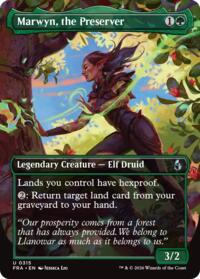
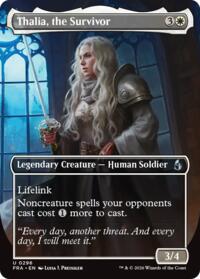
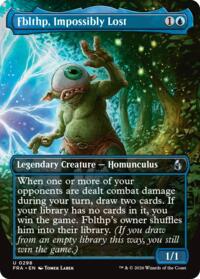

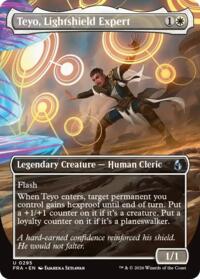
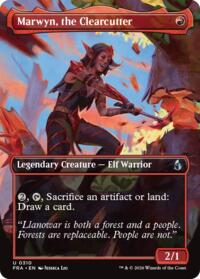
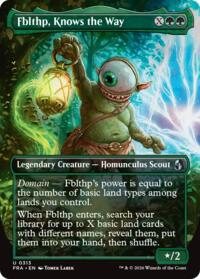
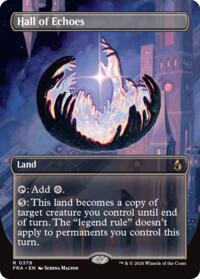
Booster Fun rare · 64 in FRA
0× per pack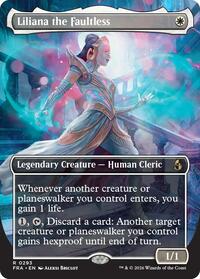
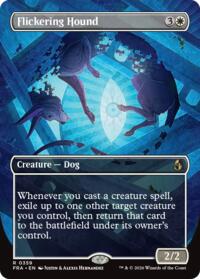
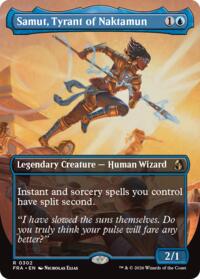
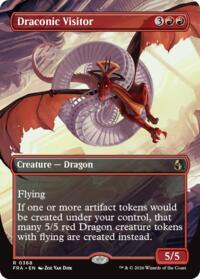
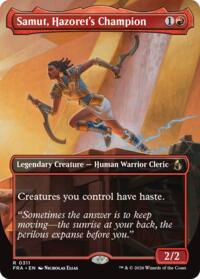
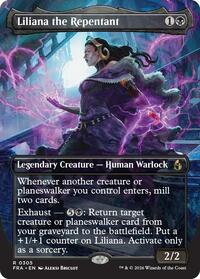
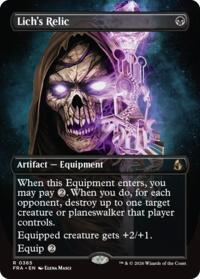
Booster Fun mythic · 36 in FRA
0× per pack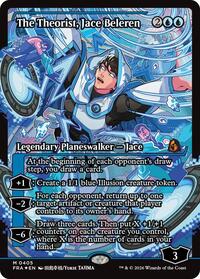
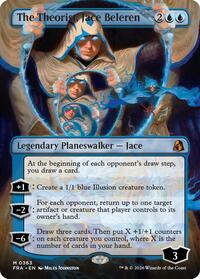
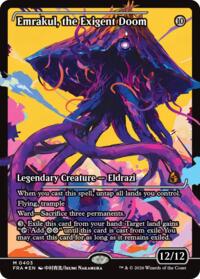
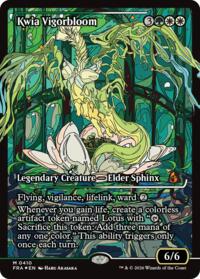
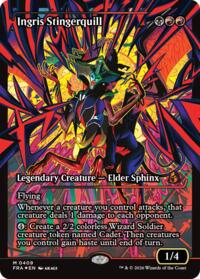


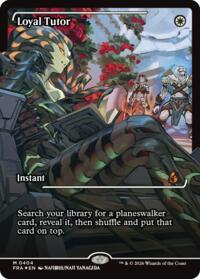
Special foil, etched, serialized · 24 in FRA
0× per pack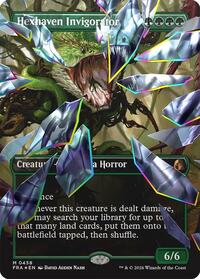
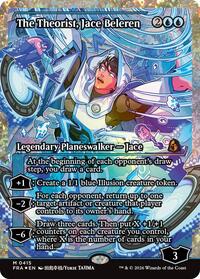

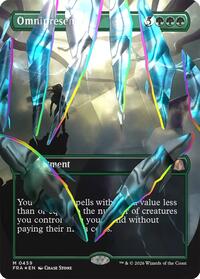
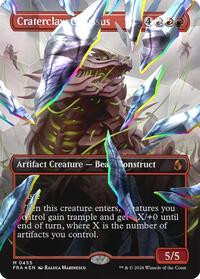

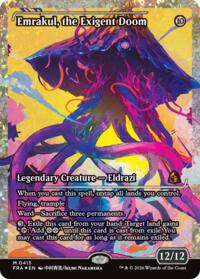
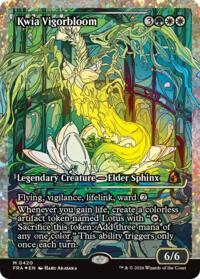
Every card is valued at its TCGplayer market price — the English Near-Mint fair-market figure TCGplayer publishes, not the cheapest listing.
Every rate comes from the pack structure Wizards publishes, and you control it; what Wizards does not publish is left at zero. EV is an average across many boxes: the distribution is heavily skewed by the chase tiers, so most boxes come in under it. It also assumes every card could be sold at market price, and bulk commons effectively cannot be. Want a specific card? Buying the single is the surer play, and you can compare live box prices before you commit.
Read next
What EV can't tell you
Chase treatments are counted on purpose: a borderless or serialized mythic is rare enough that it barely moves a per-pack average, but across a whole box it is a real share of what you paid for, and leaving it out understates every box. What the number can't tell you is whether your box is worth opening. EV is an average across many boxes, and the distribution is brutally skewed — most boxes land under the average and a few land far over it, because that is exactly what a one-in-a-hundred-packs chase card does to a mean. It also assumes you could sell everything at market price, and bulk commons are close to unsellable in practice. Treat a box as entertainment with a partial refund, not an investment. If you want specific cards for a deck, buying the singles is almost always cheaper and always certain — and either way, compare box prices before you buy.
Wizards of the Coast publishes the slot structure of its boosters, not a probability for every card. The calculator uses that structure and nothing else: a Play Booster's rare slot is a rare six times in seven and a mythic once, and the two wildcard slots, which can be any rarity and any treatment, are valued at zero until you give them a rate. Collector Boosters, Set Boosters and Jumpstart vary set by set and are not modelled; the sealed pages show what each product contains.